
Introduction to Credit Scoring
GoMyFinance.org: A Simple Guide to Understanding Credit Scores, we want to make sure that spotlight makes you look amazing. Navigating your finances doesn’t have to feel like a chore when you have the right team in your corner.
Understanding this little number is the secret key to unlocking a world of “yes.” Whether you’re dreaming of a chic new car or a cozy home of your own, your score is the first thing people look at. We believe that when you master your credit, you master your life, and we are so excited to help you get started on this sparkly journey toward success.
Why is credit health the foundation of financial freedom
Think of your credit health as the sturdy, stylish foundation of a dream house. Without a solid base, it’s hard to build anything that lasts. When your credit is in tip-top shape, you get to enjoy lower interest rates and better perks, which means more money stays in your pocket for the things you truly love. It’s all about giving yourself the freedom to say “yes” to your biggest goals without the stress.
A strong profile gives you so much power when you walk into a bank or talk to a lender. You aren’t just asking for a loan; you are showing them that you are a total pro at managing your life. This confidence opens doors to premium credit cards, better apartment leases, and even lower insurance premiums. High credit health is truly the ultimate accessory for a savvy, independent woman.
What is a Credit Score and How is it Calculated?
So, what exactly is this magic number? A credit score is basically a quick snapshot that summarizes how well you handle borrowed money. It’s a three-digit grade that tells businesses if you are a reliable person to work with. Instead of reading through years of your history, they look at this number to get the “vibe” of your financial responsibility.
Calculations might seem like a total mystery, but they really boil down to a few simple habits. Specialized math formulas look at your past behavior, like whether you pay your bills on time or how much debt you carry, and turn it into a score. It’s a living, breathing number that changes as you make better choices, so you always have the chance to make it shine brighter.
Defining the three-digit number lenders use
Most scores fall within the range of 300 to 850. If your number is on the higher side, you are seen as a low-risk superstar! Lenders love seeing those big numbers because they tell them you are a safe bet. It’s like having a gold star on your financial forehead that says, “I’ve got this!”
The algorithms used to create this number are complex, but the idea is simple. They look at your data to predict the future. While 300 might be the starting point, reaching for that 800+ range is where the real magic happens. It takes a little patience, but watching that number climb is so satisfying and rewarding for your future self.
The role of the major credit bureaus
There are three big names you should know: Experian, Equifax, and TransUnion. These are the “big sisters” of the credit world who keep track of your financial moves. They collect information from your banks and credit card companies to create a detailed report all about you. Think of them as the librarians of your money story.
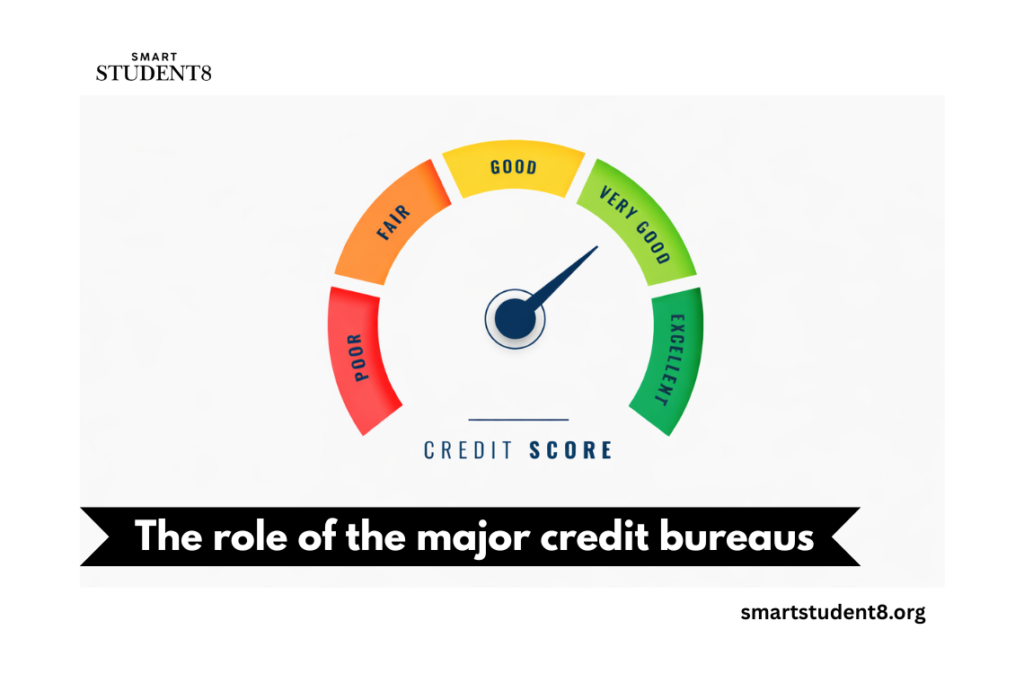
Each bureau might have a slightly different version of your story, which is why your score can vary a tiny bit depending on who is looking. They don’t decide if you get a loan; they provide the facts. By keeping an eye on what they are saying about you, you can stay in control of your narrative and ensure everything is accurate and fair.
Core Factors That Impact Your Credit Rating
Not all money moves are created equal! Some actions carry a lot of weight, while others are just small details. If you want to see your score soar, you need to focus on the heavy hitters. At GoMyFinance.org: A Simple Guide to Understanding Credit Scores, we want to show you exactly where to put your energy for the best results.
Focusing on the right areas means you don’t have to stress about the small stuff. It’s all about working smartstudent8.org, not harder. By understanding which factors move the needle the most, you can create a plan that fits your lifestyle and gets you to your goals faster. Let’s break down the big three things that really matter.
The significance of payment history
This is the absolute queen of credit factors! Your payment history makes up the biggest chunk of your score because it shows your track record. When you pay your bills on time every single month, you are proving that you are a person of your word. It’s the simplest and most effective way to keep your score looking fabulous.
Even one little slip-up can stay on your report for a long time, so staying organized is key. Setting up alerts or using autopay can be a total lifesaver. When you show consistency, your score stays steady and strong, giving you the peace of mind you deserve. Remember, every on-time payment is a win for your future!
Analyzing credit utilization ratios
This fancy term is a way to gauge how much of your credit limit you use. If you have a credit card with a $1,000 limit and you spend $300, your ratio is 30%. Keeping this number low shows lenders that you aren’t relying too heavily on borrowed money. It’s like showing that you have plenty of room to breathe!
Most experts suggest keeping your usage below 30% to keep your score in the “happy zone.” If your balances get too high, your score might dip a bit because it looks like you’re overextended. Keeping those balances low is a great way to show you are in total control of your shopping and spending habits.
The value of credit age and account diversity
Time is on your side when it comes to your credit! The longer you have had your accounts open, the better you look to lenders. It shows that you have a long history of being responsible. Keeping your very first credit card account open, even if you don’t use it often, is a really smart move.
Lenders also like to see a “mix” of different types of credit. Having a credit card, along with a car loan or a student loan, shows you can handle various kinds of responsibility. It’s like having a well-rounded resume! You don’t need to go out and get loans you don’t need, but a little variety can definitely give your score a nice boost.
How to access your free credit report on GoMyFinance.org
Staying in the loop should be easy and fun, not a total headache! At GoMyFinance.org, we’ve made it super simple for you to check in on your progress. Knowing your score is the first step to improving it, and we are here to make that process feel like a breeze. You deserve to know exactly where you stand at all times.
Regularly checking your report is like doing a quick wellness check for your wallet. It helps you stay ahead of surprises and ensures your hard work actually shows up on paper. When you stay informed, you remain empowered. Let’s get you logged in and looking at your beautiful progress today!
Step-by-step guide to secure identity verification
Your privacy is a huge deal to us, and we take it very seriously. To see your report, you’ll need to answer a few quick questions to verify that you’re really you. Our platform uses top-notch security to keep your personal details safe. It only takes a minute, and then you’re in!
Once you’ve cleared the security check, your data is right at your fingertips. We’ve designed the whole experience to be smooth and user-friendly, so you don’t have to be a tech genius to get your info. It’s all about making financial health accessible and safe for every woman who wants to take charge of her life.
Reviewing your credit history for accuracy
Once you have your report in hand, it’s time to play detective! Take a quick look through your accounts and make sure everything looks correct. Sometimes mistakes happen, and an account you never opened might appear. Spotting these little errors early can save you from a lot of trouble down the road.
If you see something that doesn’t belong, don’t worry, you can fix it! Correcting an error can give your score a quick and lovely boost. It’s your story, so you have every right to make sure it’s told correctly. Staying on top of these details ensures your credit score accurately reflects your amazing habits.
Effective Strategies for Improving Your Financial Standing
Ready to see those numbers move up? Improving your score is all about small, steady steps that lead to big results. You don’t have to change your whole life overnight to see a difference. By focusing on a few key habits, you can watch your score grow into something you are truly proud of.
Think of this process like growing a beautiful garden. It takes a little bit of water and sunshine every day, but eventually, you get something stunning. We are here to give you the best tools and tips to make your financial garden bloom. Let’s look at the best ways to start seeing that upward trend in your credit rating!
Habits that lead to a higher score
Consistency is your best friend when it comes to a high score. Setting up automatic payments is a total game-changer because it removes the “oops” factor. When your bills pay themselves, your payment history stays perfect without you even having to think about it! It’s a simple trick for a stress-free life.
Another great habit is paying more than the minimum whenever you can. This helps bring your balances down faster and shows you are serious about your goals. Even an extra $20 here and there can make a difference over time. These tiny wins add up to a score that makes you feel like a total boss.
Reducing debt and managing limits effectively
If you have some balances hanging around, don’t sweat it! The best plan is to focus on paying off the ones with the highest interest rates first. This saves you money in the long run and clears up your credit utilization ratio. Watching those balances disappear is one of the most satisfying feelings in the world.
You can also ask for a credit limit increase on your current cards once you’ve been a good customer for a while. If you get an increase but keep your spending the same, your utilization ratio drops instantly! It’s a clever little shortcut that can give your score a nice “pick-me-up” with little effort.
Mistakes to Avoid to Protect Your Credit Score
Even the best of us can make mistakes, but knowing what to watch out for can save you a lot of heartache. Protecting your score is just as important as building it! By staying aware of a few common traps, you can keep your credit journey smooth and steady without any unexpected detours.
Think of these tips as your financial “safety gear.” They help you stay on track so you can keep moving toward your dreams. At GoMyFinance.org: A Simple Guide to Understanding Credit Scores, we want to make sure you have all the info you need to stay safe and successful. Let’s look at the two biggest things to avoid.
The hidden cost of late payments
Life gets busy, but a late payment can be a real party pooper for your credit score. If a payment is more than 30 days late, it is reported to the bureaus and can remain there for 7 years. That’s a long time for one little mistake to stick around! It can make it much harder and more expensive to get loans or new cards.
To avoid this, always try to pay at least the minimum by the due date. Even if you can’t pay the whole thing, that minimum payment keeps your record clean and your score happy. Keeping your due dates on your calendar or setting phone reminders can help you stay one step ahead of the game. Your future self will thank you!
Why frequent credit applications hurt your profile
It’s tempting to sign up for every store card that offers a discount, but be careful! Each time you apply for credit, a “hard inquiry” happens, which can cause your score to dip a few points. If you apply for too many things at once, you can look like you’re in trouble, which can worry lenders.
Instead of applying for everything, be selective and only go for the cards or loans that really fit your needs. Spacing out your applications gives your score time to recover and stay strong. Quality over quantity is definitely the way to go when it comes to your credit applications! Keep your profile looking clean and intentional.
Final Thoughts on Financial Wellness
You’ve got the knowledge, the tools, and the drive to make your credit score amazing! Financial wellness is about more than just numbers; it’s about the peace of mind that comes from knowing you are prepared for whatever life throws your way. You are doing something wonderful for your future, and that is definitely worth celebrating.
Remember, your credit score is a tool that works for you, not the other way around. Keep learning, keep growing, and don’t be afraid to ask questions. You have so much potential, and your financial journey is just beginning. We are so proud of you for taking these first steps toward a brighter, more secure future!
Taking the next step with GoMyFinance.org
So, what’s next on your list? We invite you to dive deeper into our resources at GoMyFinance.org: A Simple Guide to Understanding Credit Scores. Whether you want to track your score, learn more about budgeting, or find the best credit cards for your lifestyle, we are here to support you every step of the way.
Don’t wait for “someday” to start working on your dreams. The best time to take control of your credit is right now! Head over to our site, check your report, and start your journey toward that perfect score today. You’ve got this, girl, and we’ve got you!
FAQs
What is considered a good credit score?
A score between 670 and 739 is usually called “good.” If you can get it above 800, you are in the “exceptional” zone, which is like being a financial superstar!
How often does my credit score update? Most banks talk to the credit bureaus once a month. This means your score usually gets a fresh look every 30 to 45 days, so keep an eye out for changes!
Will checking my score on GoMyFinance.org lower it? Not at all! Checking your own score is called a “soft inquiry.” It’s totally safe and won’t hurt your rating one bit, so check as often as you like.
How can I fix an error on my credit report? If you see a mistake, you can tell the credit bureau about it by filing a dispute. They are legally required to look into it and correct any incorrect information for you.
Does a low bank balance affect my credit score? Nope! Your credit score only cares about how you handle debt and loans. The amount of cash in your checking or savings account doesn’t change your score at all.
How long do negative marks stay on my report? Most “uh-oh” moments, such as late payments or collections, stay on your report for 7 years. It sounds like a long time, but their impact gets smaller as they get older.
Can I have a credit score if I have never borrowed money? If you’ve never had a loan or card, you might not have a score yet. Starting with a small “secured” card is a great way to start building your history from scratch.
Why are there different types of credit scores? Different lenders use different “recipes” to calculate scores. A car dealer might look at a different version than a mortgage company, but they all use the same basic info!