
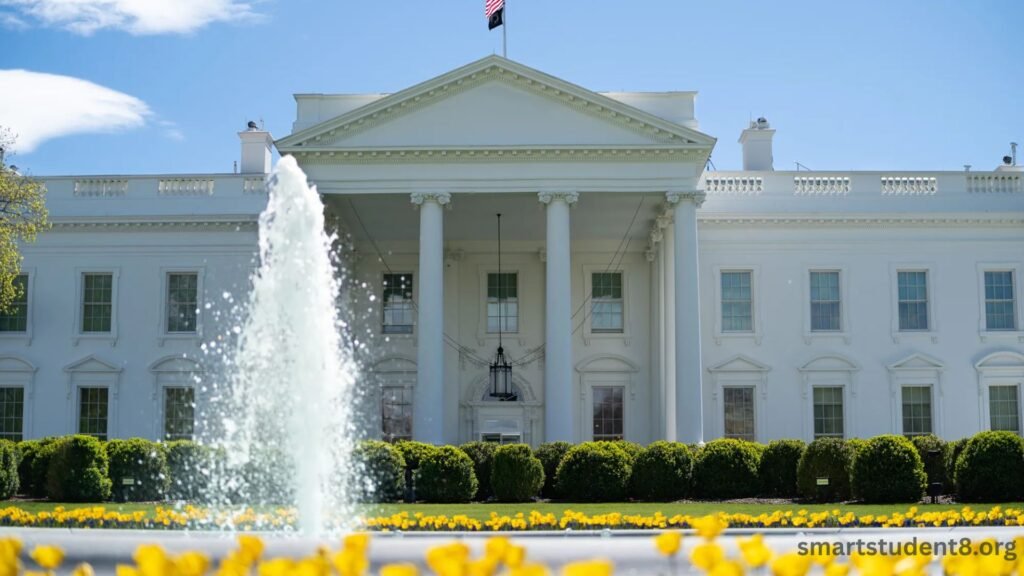
The White House Launches Trump Record App has introduced a new mobile application aimed at highlighting the political record and achievements of former U.S. President Donald Trump. The app, promoted as a comprehensive digital hub for supporters and the general public, offers curated information about policy decisions, economic milestones, and administrative actions during Trump’s presidency. However, the launch has quickly ignited controversy, with critics pointing to notable omissions and questioning the app’s objectivity.
As digital platforms become increasingly central to political communication, this latest initiative underscores the evolving relationship between technology, governance, and public perception. While supporters view the app as an innovative outreach tool, detractors argue it reflects a selective narrative that may mislead users.
A New Digital Strategy for Political Messaging
The launch of the White House app marks a significant step in modern political engagement. Governments and political figures worldwide are increasingly leveraging mobile technology to connect directly with citizens, bypassing traditional media channels.
This app is designed to provide users with easy access to information about Trump’s presidency, including economic growth figures, tax reforms, foreign policy initiatives, and regulatory changes. It also includes multimedia content such as videos, infographics, and speeches, all aimed at presenting a cohesive narrative of the administration’s accomplishments.
Officials involved in the project describe it as a way to “set the record straight” and ensure that supporters have access to verified information. They argue that mainstream media coverage often fails to fully capture the administration’s achievements, making a direct communication platform necessary.
Key Features of the Trump Record App
The application offers a range of features tailored to engage users and present information in an accessible format. Among its highlights are:
Policy Breakdown Sections: Detailed summaries of major initiatives, including tax cuts, deregulation efforts, and immigration policies.
Economic Data Visualizations: Charts and statistics showcasing employment rates, GDP growth, and stock market performance during Trump’s tenure.
Media Library: A collection of speeches, interviews, and official statements.
Push Notifications: Real-time updates and reminders about key milestones or political developments.
The app’s design focuses on simplicity and user engagement, making it easy for individuals to navigate and consume content. It also aims to appeal to a broad audience, from politically active users to those seeking general information.
Critics Highlight Missing Context and Omissions
Despite its polished presentation, the app has drawn criticism from political analysts, journalists, and advocacy groups. Critics argue that the platform selectively highlights positive aspects of Trump’s presidency while omitting or downplaying controversial issues.
Among the concerns raised are the lack of detailed discussion on topics such as:
- The handling of the COVID-19 pandemic
- Immigration policies and family separation cases
- Impeachment proceedings
- Climate change policies and environmental rollbacks
By excluding or minimizing these issues, critics say the app presents an incomplete picture of the administration’s record. They warn that such selective storytelling could contribute to misinformation and deepen political polarization.
Supporters Defend the Initiative
Supporters of the app argue that it serves an important purpose in balancing what they perceive as biased media coverage. They believe that the platform provides a necessary counter-narrative, allowing users to form their own opinions based on curated information.
Many supporters also highlight the app’s focus on economic achievements, pointing to pre-pandemic job growth, tax reforms, and business-friendly policies as key successes of Trump’s presidency. For them, the app represents a valuable resource for understanding these accomplishments without external interpretation.
Some political strategists view the app as part of a broader effort to maintain engagement with Trump’s base and influence public discourse ahead of future elections.
The Role of Technology in Political Communication
The introduction of this app reflects a broader trend in how political messages are delivered and consumed. Digital platforms have transformed the way information is shared, enabling direct communication between leaders and the public.
Mobile apps, in particular, offer a unique advantage by providing personalized, on-demand access to information. They also allow for targeted messaging, enabling political figures to tailor content to specific audiences.
However, this shift also raises important questions about transparency and accountability. Without the checks and balances provided by independent media, there is a risk that such platforms may prioritize persuasion over accuracy.
Historical Context: Political Branding in the Digital Age
Political branding is not a new concept, but the tools used to shape public perception have evolved significantly. From television campaigns to social media strategies, each era has introduced new ways for leaders to connect with voters.
The White House app can be seen as a continuation of this evolution, combining elements of marketing, storytelling, and data presentation. By consolidating information into a single platform, it seeks to create a unified narrative that resonates with users.
Experts note that while such tools can enhance engagement, they also require careful scrutiny to ensure that they do not distort historical records or mislead audiences.
Read More: Reliable Third Rail Power Solutions: An Overview
Implications for Public Trust and Democracy
The debate surrounding the app highlights broader concerns about trust in institutions and the integrity of information. In an era of widespread misinformation, the accuracy and completeness of official communications are more important than ever.
If users rely solely on curated platforms for information, they may miss critical perspectives and context. This can lead to a fragmented understanding of complex issues, ultimately affecting public discourse and decision-making.
On the other hand, proponents argue that increased access to information even if curated can empower individuals to engage more actively in political processes.
Regulatory and Ethical Considerations
The launch of the app also raises questions about regulation and ethical standards in political communication. While there are established guidelines for campaign advertising, digital platforms often operate in less clearly defined spaces.
Regulators may need to consider whether additional oversight is required to ensure transparency and prevent the spread of misleading information. This could include requirements for disclaimers, fact-checking mechanisms, or independent audits of content.
At the same time, policymakers must balance these concerns with the need to protect freedom of speech and innovation.
Public Reaction and Media Coverage
Public response to the app has been mixed, reflecting the polarized nature of contemporary politics. Supporters have praised its accessibility and focus on achievements, while critics have called for greater transparency and accountability.
Media outlets have also offered varied perspectives, with some highlighting the app’s potential as a communication tool and others emphasizing its limitations. The debate has sparked broader discussions about the role of technology in shaping political narratives.
The Future of Political Apps
The White House app may set a precedent for future political initiatives, both in the United States and globally. As technology continues to advance, we can expect to see more sophisticated tools designed to engage and inform the public.
These developments could include enhanced interactivity, artificial intelligence-driven content, and integration with social media platforms. While such innovations offer exciting possibilities, they also underscore the need for responsible use.
FAQs
What is the new White House app about?
The app is designed to showcase the record and achievements of Donald Trump, including policies, economic data, and key decisions from his presidency.
Why has the White House app sparked controversy?
The app has faced criticism because it highlights positive aspects of Trump’s presidency while omitting or downplaying controversial issues and key events.
What features does the White House app include?
It includes policy summaries, economic statistics, videos, speeches, and push notifications to keep users updated on political content.
What are the main omissions critics are concerned about?
Critics point to missing details on topics like COVID-19 handling, impeachment proceedings, immigration policies, and climate-related decisions.
How has the public reacted to the app?
Public response has been mixed, with supporters praising its focus on achievements and critics raising concerns about bias and incomplete information.
Is the White House app an official government platform?
Yes, it is presented as an official platform aimed at communicating political information directly to the public.
How does this app impact political communication?
The app reflects a growing trend of using digital platforms to share political narratives directly, reducing reliance on traditional media channels.
Could this app influence future political campaigns?
Yes, it may set a precedent for future campaigns by showing how mobile apps can be used to engage supporters and shape public perception.
Conclusion:
The launch of the White House Launches Trump Record App highlighting Donald Trump’s record reflects the growing role of digital platforms in political communication. While it offers supporters direct access to curated achievements, concerns over key omissions have sparked debate about transparency and accuracy. As technology continues to shape public discourse, this development underscores the need for balanced information and critical evaluation, ensuring that audiences receive a complete and informed understanding of political leadership and decisions.