

Introduction to Education Leadership in Modern Classrooms
Education today looks very different from what it was years ago. Classrooms are more active, more creative, and more focused on student growth. A big reason behind this shift is strong education leadership. When leaders guide schools with a clear vision, learning becomes more exciting and meaningful.
On platforms like smartstudent8, many educators share ideas about modern learning. Good leadership helps teachers try new methods and support every student. It also builds a positive environment where both teachers and learners feel motivated every day.
The Changing Landscape of Education Today
Schools are no longer places where students sit and listen. Learning is now interactive and student-focused. Teachers use discussions, projects, and real-life examples to make lessons interesting. This change is shaping how classrooms work today.
Education leaders play a key role in guiding these changes. They help teachers adapt to modern needs and new teaching styles. With the right direction, schools can create learning spaces where curiosity grows naturally.
Why Leadership Matters in Schools
Strong leadership gives schools a clear direction. When leaders support teachers and students, the whole learning process improves. Teachers feel confident trying fresh ideas in their classrooms.
Leadership also builds trust within the school community. Students feel supported, teachers feel valued, and parents stay involved. This balance helps create a healthy learning culture that benefits everyone.
The Role of Innovation in Modern Learning Environments
Innovation is a big part of modern education. New ideas help teachers explain lessons in simple and creative ways. Activities, group work, and visual tools make learning more enjoyable.
Education leaders encourage these ideas to grow. They support teachers who want to explore different approaches. Through this support, classrooms become lively places where students love to learn.
What Is Education Leadership
Education leadership focuses on guiding schools toward better learning outcomes. It involves supporting teachers, inspiring students, and building strong learning systems. Leaders help shape how education works in everyday classrooms.
Many discussions on smartstudent8 highlight how leadership shapes student success. A good leader understands both academic goals and emotional needs. This balance helps schools grow healthily.
Definition of Education Leadership in Schools
Education leadership means guiding teachers and students toward shared goals. Leaders create plans that help improve teaching and learning. They also provide support when challenges appear.
In simple terms, education leadership is about helping schools run smoothly. It ensures that every student receives quality learning opportunities.
Key Qualities of Effective Education Leaders
Great education leaders show strong communication skills. They listen to teachers, understand student needs, and make fair decisions. These qualities build trust inside the school.
Another important quality is inspiration. Good leaders motivate teachers to give their best effort. When teachers feel encouraged, students also benefit from better lessons.
The Difference Between Traditional Management and Modern Leadership
Traditional school management focused mainly on rules and schedules. Leaders handled administration and daily operations. While this structure worked before, modern classrooms need more flexible guidance.
Modern leadership focuses on collaboration and creativity. Leaders work closely with teachers and support new ideas. This approach helps schools grow in a more positive direction.
The Role of School Leaders in Classroom Transformation
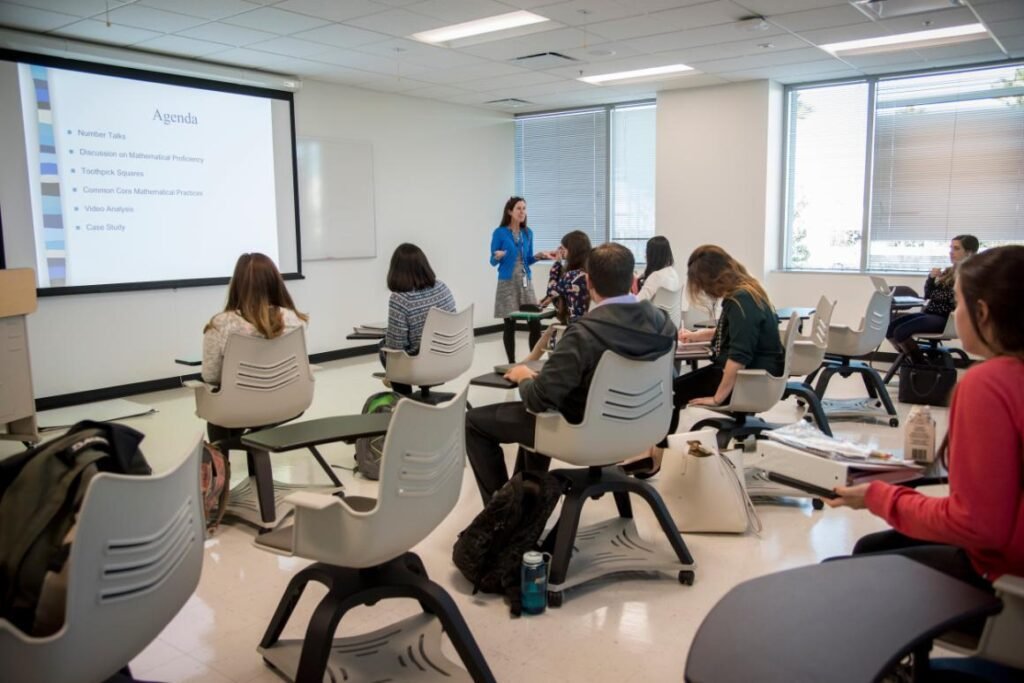
School leaders guide many of the positive changes seen in modern classrooms. Their vision helps shape teaching methods and student experiences. With the right leadership, classrooms become more engaging and supportive.
Leaders also encourage teamwork among teachers. This teamwork allows educators to share ideas and learn from each other. As a result, students enjoy better learning experiences.
How Principals and Administrators Guide Change
Principals and administrators often lead school improvements. They introduce new teaching programs and help teachers adapt to them. Their support makes change easier for the whole school.
When leaders communicate clearly, teachers feel comfortable trying new methods. This teamwork helps schools move forward with confidence.
Encouraging Collaboration Among Teachers
Teacher collaboration is very important for modern education. When teachers work together, they share helpful strategies and classroom ideas. This teamwork strengthens the learning environment.
Education leaders create opportunities for teachers to connect. Meetings, workshops, and group planning sessions help educators support each other.
Building a Culture of Innovation and Learning
Schools thrive when innovation becomes part of their culture. Leaders who encourage creativity inspire teachers to try new ideas. These ideas bring fresh energy into classrooms.
Students benefit from this environment as well. They feel encouraged to ask questions, explore topics, and develop curiosity.
Key Skills That Define Effective Education Leaders
Strong leaders rely on several important skills. These skills help them guide teachers and support students effectively. Leadership is not only about authority; it is about understanding people.
Many educators on SmartStudent8 discuss how leadership skills influence school success. With the right abilities, leaders can shape better learning environments.
Strategic Thinking and Decision Making
Strategic thinking helps leaders plan for the future. They consider both short-term goals and long-term growth. This careful planning keeps schools moving forward.
Decision-making is also essential. Leaders must solve problems quickly and fairly. Their choices often affect teachers, students, and parents.
Communication and Relationship Building
Clear communication builds strong school communities. Leaders who speak openly help everyone understand goals and expectations.
Healthy relationships also matter. When leaders connect with teachers and students, trust grows. This trust creates a more supportive learning space.
Adaptability in a Changing Education System
Education continues to evolve every year. New teaching methods, technologies, and student needs appear constantly. Leaders must stay flexible and ready for change.
Adaptable leaders help teachers adjust to these shifts. Their guidance keeps schools moving forward even during challenging times.
How Education Leadership Improves Teaching Methods
Education leadership plays a big role in improving teaching practices. Leaders encourage teachers to explore new ways of delivering lessons. This support makes classrooms more dynamic.
When teachers feel confident trying fresh ideas, students gain better learning experiences. Leadership helps create an environment where innovation thrives.
Supporting Modern Teaching Strategies
Modern teaching strategies focus on engagement and participation. Instead of long lectures, teachers use discussions and activities.
Education leaders encourage these strategies. Their support helps teachers feel comfortable experimenting with different approaches.
Encouraging Student-Centred Learning Approaches
Student-centred learning places students at the heart of the classroom. Lessons focus on curiosity, exploration, and problem-solving.
Leaders guide teachers toward these approaches. This shift helps students develop critical thinking skills and independence.
Integrating Creative Learning Practices
Creative learning makes lessons more exciting. Art, storytelling, and group projects allow students to express ideas freely.
Education leaders support creative teaching methods. Their encouragement helps teachers design lessons that feel fresh and inspiring.
Technology Integration Through Strong Leadership
Technology has become a key part of modern classrooms. Digital tools make learning more interactive and accessible.
Leaders play an important role in guiding this transformation. They ensure teachers receive the support needed to use technology effectively.
Encouraging Digital Learning Tools in Classrooms
Digital tools help students explore topics in new ways. Videos, online resources, and learning apps make lessons more engaging.
Education leaders encourage teachers to use these tools wisely. This approach creates balanced and modern classrooms.
Supporting Teachers in Adopting New Technologies
Not every teacher feels confident using technology at first. Leaders help by providing training and support.
With proper guidance, teachers learn how to integrate digital tools smoothly. This support improves both teaching and learning experiences.
Managing Digital Transformation in Education
Digital transformation requires planning and patience. Leaders must ensure schools have the right tools and resources.
When technology is introduced thoughtfully, it strengthens education rather than complicating it.
Building a Positive Learning Environment
A positive classroom environment helps students feel safe and valued. Education leaders work to create supportive school cultures.
When students feel comfortable, they participate more and learn better.
Promoting Inclusivity and Diversity in Classrooms
Inclusive classrooms welcome students from different backgrounds. Leaders ensure that every student feels respected and supported.
This inclusive approach builds understanding and kindness among students.
Encouraging Student Engagement and Motivation
Engaged students show curiosity and enthusiasm in class. Leaders help teachers design activities that spark interest.
Motivated learners often perform better and enjoy their education journey.
Creating Safe and Supportive Learning Spaces
Safety is essential for learning. Students must feel comfortable sharing ideas without fear.
Education leaders ensure schools maintain supportive environments where students can grow confidently.
Professional Development and Teacher Support
Teachers also need opportunities to grow and improve. Professional development programs help educators learn new skills.
Leaders encourage continuous learning among teachers.
Continuous Training for Teachers
Training sessions allow teachers to stay updated with modern teaching practices. These programs introduce fresh ideas and strategies.
Leaders who support training help teachers feel prepared and confident.
Mentorship Programs and Coaching
Mentorship programs allow experienced teachers to guide new educators. This support makes the transition easier for beginners.
Leaders organize these programs to strengthen teacher development.
Encouraging Lifelong Learning Among Educators
Learning does not stop after becoming a teacher. Continuous growth keeps educators inspired.
Leaders who promote lifelong learning create schools that always improve.
Challenges Faced by Education Leaders
Despite their efforts, education leaders face several challenges. Change can sometimes feel uncomfortable for schools.
Limited resources can also create obstacles.
Resistance to Change in Schools
Some teachers and communities prefer traditional teaching methods. Adapting to new ideas can take time.
Leaders must guide change with patience and understanding.
Limited Resources and Funding Issues
Schools often operate with limited budgets. This can affect technology access and training programs.
Leaders must find creative solutions to overcome these limits.
Balancing Academic Standards with Innovation
Schools must follow academic standards while exploring new ideas. Finding the right balance can be challenging.
Strong leadership helps maintain both quality and creativity in education.
The Future of Education Leadership
Education leadership will continue evolving as learning needs change. Future classrooms may look more dynamic and flexible.
Leaders will guide schools through these exciting changes.
Emerging Trends in Educational Leadership
Modern leadership trends focus on collaboration and innovation. Leaders encourage teamwork and open communication.
These trends support stronger school communities.
The Impact of Global Education Reforms
Education reforms around the world influence teaching practices. Leaders learn from global ideas and adapt them locally.
This exchange of knowledge improves education systems.
Preparing Schools for the Future of Learning
Preparing students for the future requires forward-thinking leadership. Schools must focus on creativity, technology, and critical thinking.
Leaders who embrace these ideas help shape successful learners.
Frequently Asked Questions (FAQs)
What is education leadership?
Education leadership is the process of guiding teachers, students, and school systems toward better learning outcomes and stronger educational environments.
Why is education leadership important in modern classrooms?
Leadership helps schools adopt new teaching methods, support teachers, and create engaging learning experiences for students.
How do school leaders influence classroom learning?
School leaders guide teaching strategies, provide resources, and support teachers so they can deliver effective lessons.
What skills are essential for education leaders?
Key skills include communication, planning, problem-solving, adaptability, and the ability to inspire teachers and students.
How does leadership help integrate technology in education?
Leaders encourage digital tools, provide teacher training, and support modern learning methods.
What challenges do education leaders face?
Common challenges include limited funding, resistance to change, and balancing traditional education with innovation.
How can schools develop strong education leaders?
Schools can provide leadership training, mentorship programs, and professional development opportunities for educators.
Latest Post
- Manchester City and Chelsea Live: Score & Key Moments, Tips
- TheLifestyleEdge Com – Latest Lifestyle Trends & Insights
- RojgarWithAnkit org Review – Is It Safe or Legit?
- How Education Leadership Is Transforming Modern Classrooms
- The Israel Iran War 2026: US and Israeli Strikes, Iranian Retaliation, and Global Ripple Effects