
The Dismoneyfied Approach: Redefining Value Beyond Profit
For years, businesses prioritized profit above all. Now, let’s explore the Dismoneyfied Approach, measuring value beyond quarterly earnings and redefining success for lasting impact.
This isn’t just a buzzword; it’s a real shift in thinking. Imagine a business where your positive impact matters as much as, or more than, your profits. It’s innovation with people and the planet first, believing genuine goodness underpins lasting financial health. Let’s explore what the Dismoneyfied approach is in business and how it can reshape your brand’s future.
What is the Dismoneyfied Approach in Business?
So, Simply put, it’s a new business philosophy that intentionally de-emphasizes pure monetary gain as the primary measure of achievement. It’s about recognizing that a company’s true value is found in a richer mix of metrics, things like social contribution, environmental stewardship, and the happiness of its community. Think of it as upgrading from a black-and-white financial spreadsheet to a vibrant, full-color impact report.
This approach isn’t about ignoring money; businesses still need to be sustainable, of course! But instead of letting profit be the driver, it becomes the result of successfully creating intrinsic, non-monetary value. When you genuinely solve problems, delight your customers, and treat your employees like gold, financial stability naturally follows. It encourages leadership to look past short-term shareholder demands and focus on the deep, meaningful investments that build an unbreakable brand reputation.
Understanding the Shift from Transactional to Transformational
In the old-school view, business was purely transactional. You exchanged a product for money, and that was the end of the story. The Dismoneyfied approach throws that model out the window and embraces a transformational mindset. It’s about building relationships and making a genuine difference in your customers’ and stakeholders’ lives.
When you become transformational, every interaction becomes an opportunity to add value, inspire change, or build a lasting connection. This powerful shift ensures your business is seen not just as a vendor, but as a valued partner and a force for good. That kind of enduring commitment is the real secret sauce for long-term sustainability.
The Role of Non-Monetary Metrics in Success
If we’re not just looking at dollars and cents, what are we looking at? The answer lies in Non-Monetary Metrics. These are the crucial elements that truly indicate a business’s health and future potential. We’re talking about things like the measurable social impact of your operations, the level of trust and customer goodwill you’ve earned, and, critically, the health and employee well-being within your team.
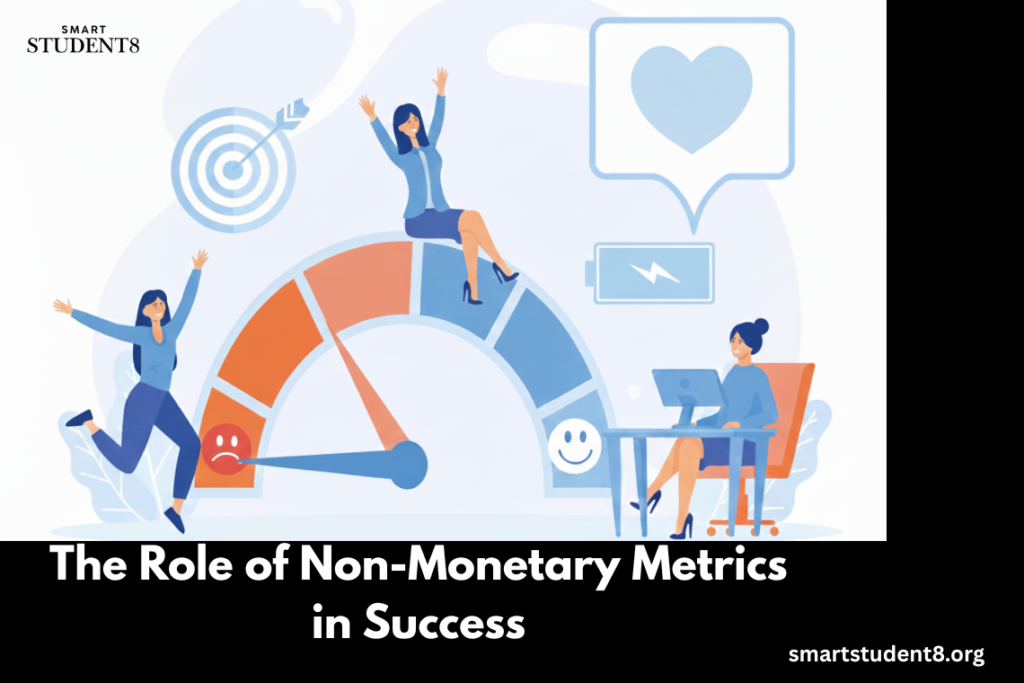
Focusing on these intrinsic values creates a powerful positive feedback loop. Happy employees provide better service; delighted customers become vocal advocates; and a clear social mission attracts loyal buyers. When you start tracking these non-financial wins, you gain a far more accurate picture of your true, sustainable success.
Pillars of a Truly Dismoneyfied Business Strategy
Implementing a Dismoneyfied strategy requires building your business upon solid, purpose-driven pillars. These are the foundations that support an entire ecosystem of ethical and impactful operations, ensuring that your company’s success benefits everyone, not just the shareholders.
Prioritizing Purpose Over Immediate Payouts
The most crucial pillar is to place your company’s purpose at the center of every decision. This means that when a conflict arises between doing the right thing (like choosing an expensive, ethical supplier) and making an immediate, cheaper profit, the purpose wins. This dedication to mission-driven and ethical business practices signals to the world that you are playing the long game.
By consistently prioritizing purpose, you organically build immense stakeholder value. Your customers will recognize and appreciate the authenticity, your partners will trust your integrity, and your team will be proud to come to work. This deep alignment ultimately creates a financial buffer and a brand that can weather any storm.
Building Community and Cultivating Trust
A Dismoneyfied business understands that it exists within a larger community, and its success is intertwined with the health of that community. This pillar focuses heavily on proactive community engagement and transparent practices aimed at trust building. It’s about listening, contributing, and being a genuinely good neighbor.
When you invest time and resources into building deep relationships, you cultivate incredible customer loyalty. Loyal customers aren’t just transactional buyers; they are passionate fans who will champion your brand and stick with you. This trust is arguably the most valuable non-monetary asset any company can possess.
Fostering Circularity and Sustainability
This pillar addresses the planet we all share. The Dismoneyfied approach insists on embracing circularity and sustainability, moving away from the wasteful “take-make-dispose” mentality. It encourages a proactive focus on your business’s environmental impact, ensuring that operations are regenerative and resource-efficient.
Adopting a Circular Economy framework where products and materials are kept in use for as long as possible is a vital part of this strategy. Beyond simply reducing waste, this commitment demonstrates responsibility and foresight, appealing directly to today’s environmentally conscious consumers.
Empowering Employees for Shared Success
Your team is your greatest asset, and the Dismoneyfied model recognizes their inherent worth beyond just a paycheck. This means ensuring fair wages, promoting total employee empowerment, and fostering a truly positive and inclusive workplace culture.
When employees feel valued, respected, and given agency, they perform better and stay longer. Investing in your team through shared success models like profit-sharing or generous benefits turns staff into enthusiastic ambassadors for your brand. That kind of internal commitment is priceless.
Implementing the Dismoneyfied Framework: A Step-by-Step Guide
Transitioning to a Dismoneyfied model isn’t a flip of a switch; it’s a measured journey. But with a clear implementation framework, you can navigate the shift smoothly and purposefully. Here’s a practical roadmap to get you started.
Auditing Current Value Structures
The first crucial step is taking a deep, honest look inside. You need to perform a thorough Value Chain Analysis to understand how your current processes generate value, both monetary and non-monetary. Identify your Current Metrics: what are you tracking right now? Is it just sales and costs? This audit will help you pinpoint gaps where your current actions fall short of your ideal purpose-driven goals.
This internal check is about transparency. It’s impossible to change your focus if you don’t know exactly where your focus is right now. Be brutally honest about the areas where profit currently outweighs principle.
Defining and Measuring Non-Financial KPIs (Key Performance Indicators)
Once you know your current state, it’s time to define what success looks like in your new framework. This involves clearly setting Non-Financial KPIs. These could include metrics like customer advocacy scores, employee retention rates, carbon footprint reduction targets, or hours spent on community volunteering.
Crucially, you need a robust plan for Impact Measurement and Data Collection. How often will you track these metrics? Which tools will you use? Making these non-monetary goals measurable is what makes the whole approach actionable and legitimate.
Communicating the New Value Proposition
This is where your story shines! You must clearly and consistently communicate your New Value Proposition to the world. Your Marketing Strategy needs to shift from selling features to sharing your mission and impact. Authenticity is everything here.
Embrace radical transparency about your values, your wins, and even your challenges. By weaving your purpose into your Brand Storytelling, you attract customers who don’t just buy what you sell, but who believe in what you stand for, creating a much deeper connection.
Realigning Operational Processes and Incentives
The final step is making sure your internal machinery matches your external promise. Your Internal Operations need to be restructured to reward non-monetary outcomes. For example, employee bonuses might be tied to community impact goals, not just sales targets. This cultural transformation is huge.
This Cultural Shift requires updating the Incentive Structure to truly reflect the company’s new values. When your team is incentivized to act with purpose, the Dismoneyfied approach becomes embedded in the DNA of your organization.
Case Studies: Businesses Thriving on the Dismoneyfied Model
It’s one thing to talk theory, but seeing the Dismoneyfied model in action proves its power. Numerous successful companies today are perfect Success Stories, demonstrating that putting purpose first is not just ethical, but an incredibly smart business.
Examining Impact: How Non-Profit Focus Drives Financial Stability
The real-world examples showcase a fascinating trend: companies that prioritize a non-profit focus (meaning, impact over immediate cash flow) consistently achieve remarkable long-term profitability. They do this by building a level of Financial Health rooted in customer loyalty and brand resilience that their purely profit-driven competitors simply cannot match.
When a brand stands for something significant, it gains a competitive edge that is nearly impossible to copy. By conducting a detailed Case Analysis of these purpose-led organizations, we see clearly that generosity, transparency, and a commitment to stakeholders translate directly into sustained growth and market leadership.
The Future of Business: Why Dismoneyfied is the New Standard
The tide is turning, and the era of purely shareholder-focused capitalism is rapidly coming to an end. The Dismoneyfied approach is not a passing trend; it represents the future of business, as highlighted by thought leaders at smartstudent8.org. Today’s consumers, investors, and skilled professionals expect more from organizations than profit alone. They want to support businesses that actively contribute to solving global and social challenges.
This model is becoming the new standard in modern business strategy because it delivers a powerful competitive advantage. In an increasingly crowded marketplace, purpose-driven business models help brands stand out. By focusing on intrinsic value, ethical growth, and long-term impact, companies build sustainable success. As explored on smartstudent8.org, when businesses prioritize meaningful impact, long-term financial resilience and profitability follow naturally.
FAQs
Is the Dismoneyfied Approach strictly a non-profit model?
No, it is a for-profit model where profit is the result of non-monetary success.
How does a Dismoneyfied business ensure its financial survival?
By prioritizing customer trust and employee well-being, it builds resilient revenue streams.
What is one example of a Non-Monetary KPI used here?
A common example is the Employee Retention Rate.
Does this approach negatively affect a company’s stock value?
In the long term, it often stabilizes and elevates value by demonstrating strong business resilience.
What separates the Dismoneyfied Approach from Corporate Social Responsibility (CSR)?
Dismoneyfied goals are fully integrated into the core strategy, unlike CSR, which is often a separate initiative.
Can a small local business effectively implement this strategy?
Yes, small businesses are often better positioned to integrate purpose into their operations from the start.
What is the biggest hurdle when moving to this new model?
The primary challenge is changing the internal mindset from financial focus to value focus.
How do companies quantify the abstract concept of ‘trust’ or ‘goodwill’?
They quantify it using metrics like high Net Promoter Scores (NPS) and low customer churn rates.